
+62 877 169 97783
Custom Hardware
Manufacturing
Custom Details. Distinctive Identity.
Turn your design into a signature metal detail. Develop custom emblems, clips, buckles and decorative accents with a defined process, physical wax sampling and carefully specified finishes.
200 pcs
MOQ PER DESIGN VARIANT
3D Wax
PHYSICAL PROTOTYPE SAMPLING
1 Revision
COMPLIMENTARY WAX MODIFICATION
Made for Your Brand
The finishing detail
that makes it yours
From an understated emblem to a functional fastening, the right hardware brings together shape, weight, surface texture and fit. Our custom hardware process supports apparel accents, luxury leathercraft, bag fittings and premium industrial components.
01 / IDENTITY
Signature Details
Develop decorative emblems and artistic accents around your brand’s proportions, finish and preferred hand feel.
02 / FUNCTION
Purposeful Construction
Specify clips, buckles, mounting points and clearances so each component works with the final assembly.
03 / FINISH
A Considered Surface
Choose your texture and protective coating to suit the appearance and intended use of your hardware.
How It Works
From design
to finished hardware
STEP 1
Submit Your Design
Send your technical package with detailed measurements, hole and mounting dimensions, material preferences, surface finish, protective coating requirements and native CAD files.
STEP 2
Review & Approve
Our engineering team reviews manufacturability, including wall thickness, draft angles and wall density. Your quotation sets out unit costs, tooling fees and the project timeline.
STEP 3
Evaluate a Wax Sample
A high-precision 3D wax prototype lets you check dimensions, ergonomics, hand feel and structural proportions before final metal mold creation.
STEP 4
Produce & Inspect
After formal wax approval, production moves through investment casting, precision hand polishing, electroplating or liquid coating, quality inspection and individual protective packaging.
One complimentary modification round is included in initial wax sampling. Finalize your brief, hole tolerances, dimensions and finishing specifications before wax production begins. Further changes may cause re-sampling delays and additional engineering charges.
Base Materials
Choose the character
of your metal
We work with non-ferrous foundry metals. Select the base material around the detail, weight and function your component requires.
AI-generated material illustrations. Actual colour, finish and design are confirmed during development.
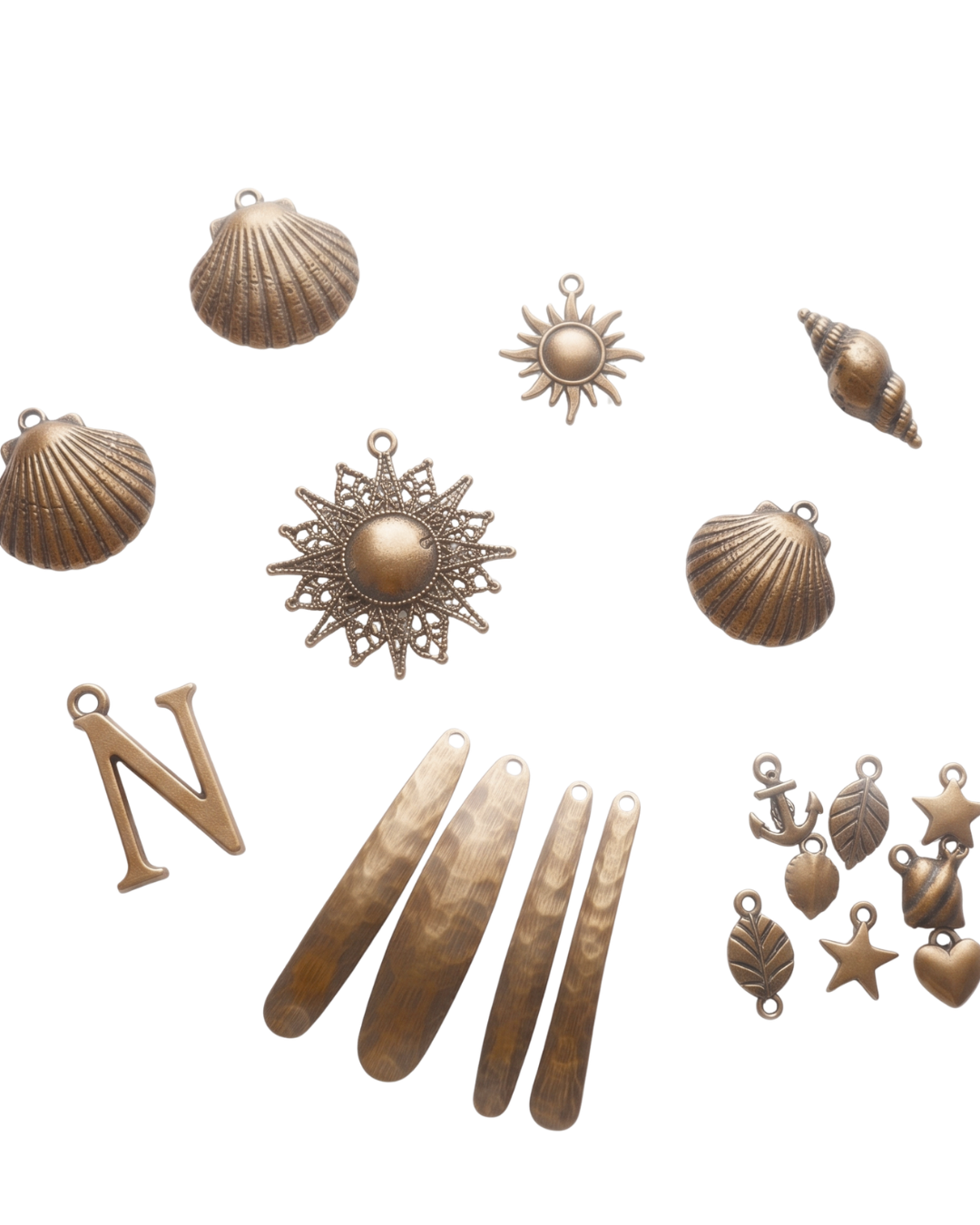
Warm tone / substantial weight
Copper
A dense, ductile metal with a warm natural tone and a solid, premium hand weight. Copper also offers exceptional thermal and electrical conductivity.
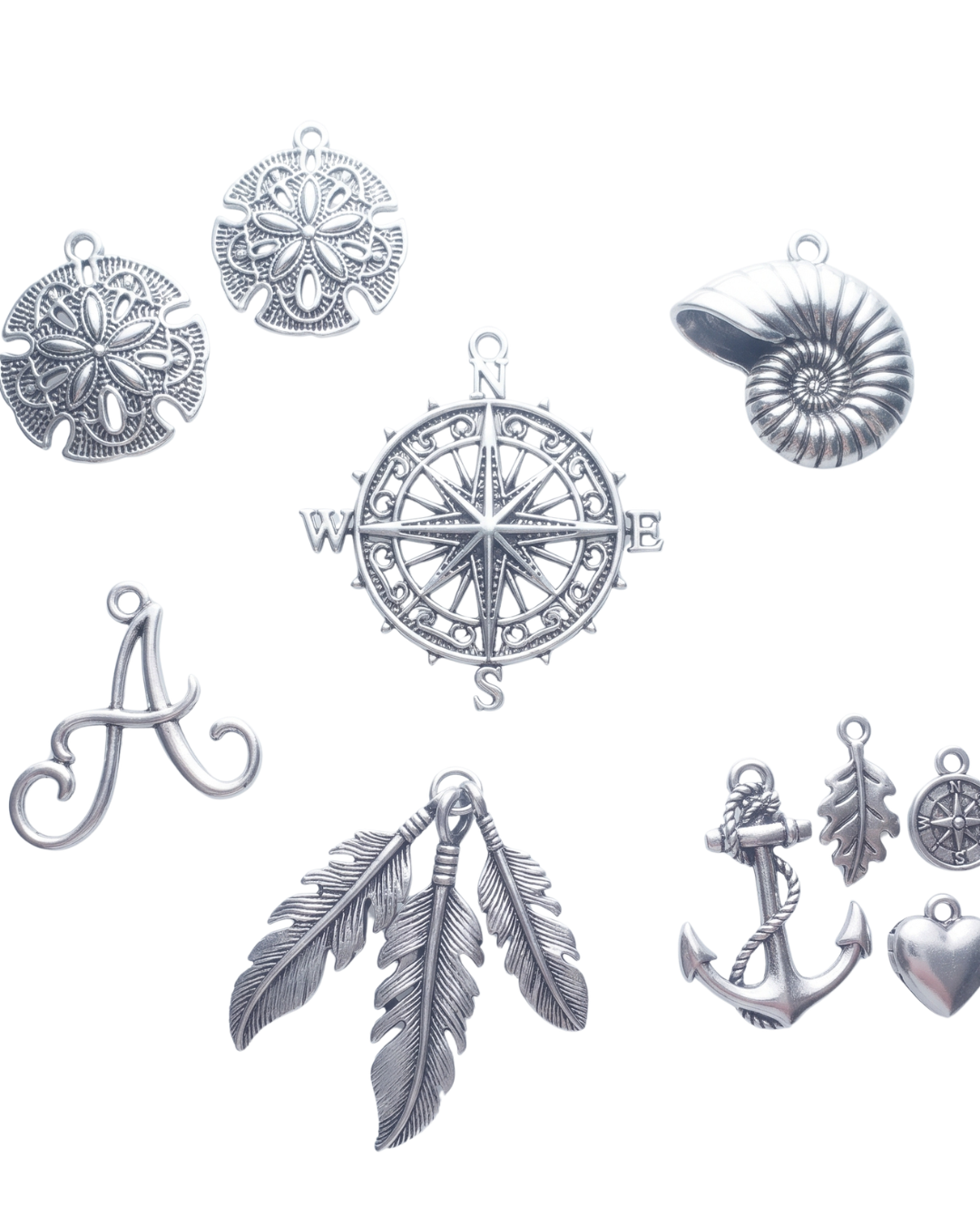
Silvery luster / dense core
White Bronze
A nickel-free copper-tin-zinc alloy with a refined silvery appearance. Non-magnetic, corrosion-resistant and high in tensile strength.

Crisp detail / balanced weight
Brass
A classic copper-zinc alloy with high wear resistance, low friction and excellent detail retention. Its balanced weight suits structural components.
Behind the Details
Crafted through
every stage
From a precise prototype to the final polished surface, each stage brings your hardware closer to the approved design.
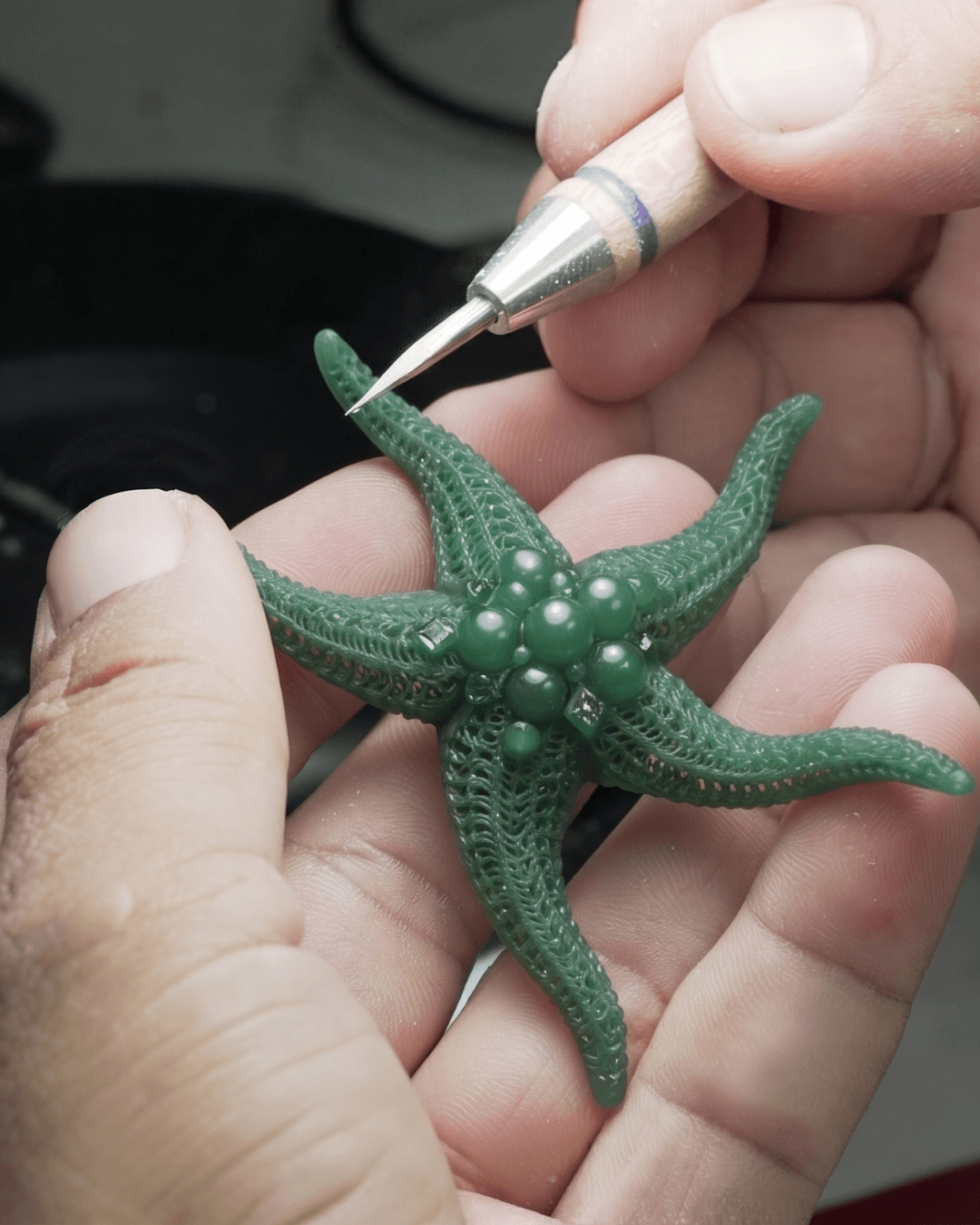
Wax Prototype
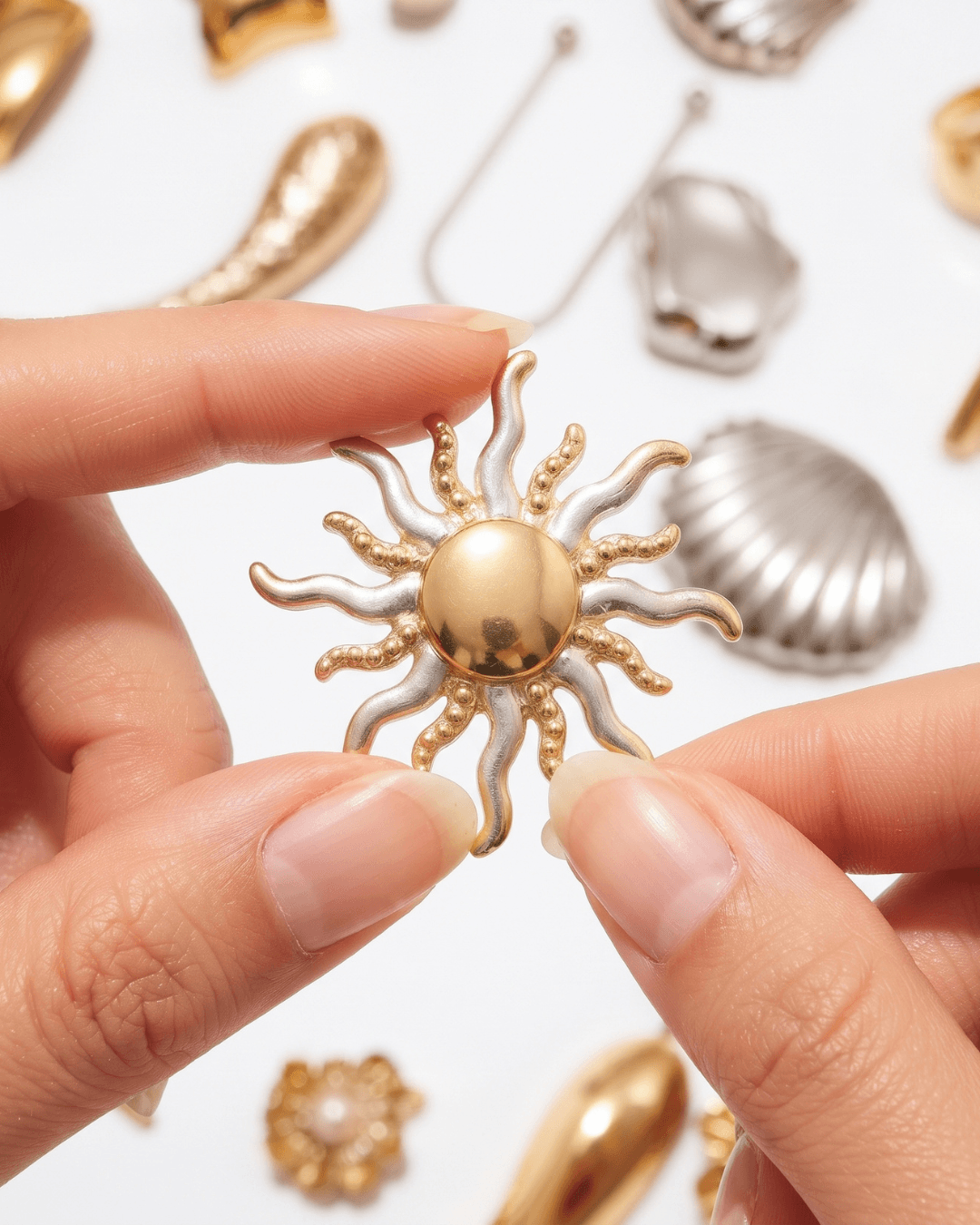
Polishing & Finishing
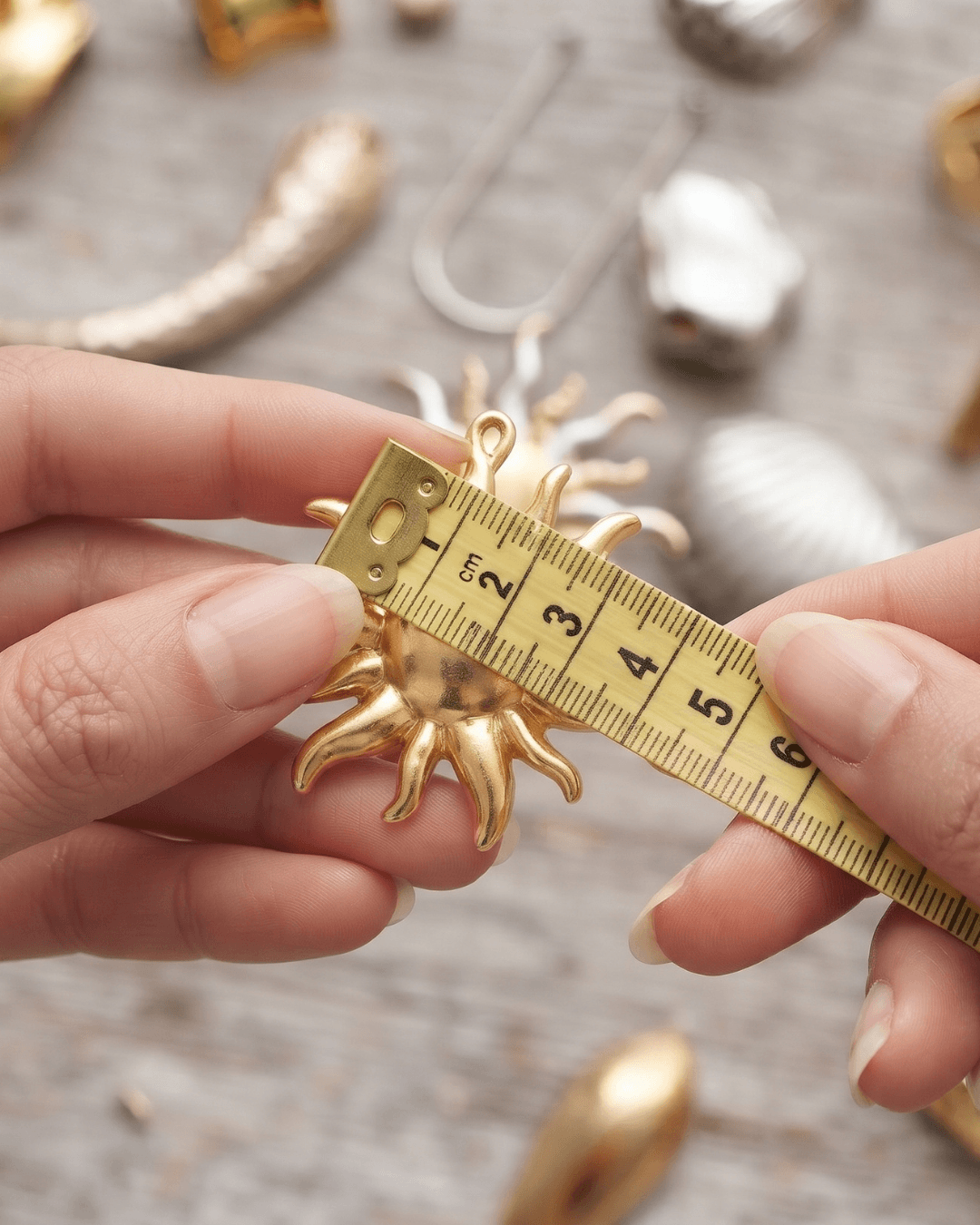
Quality Inspection
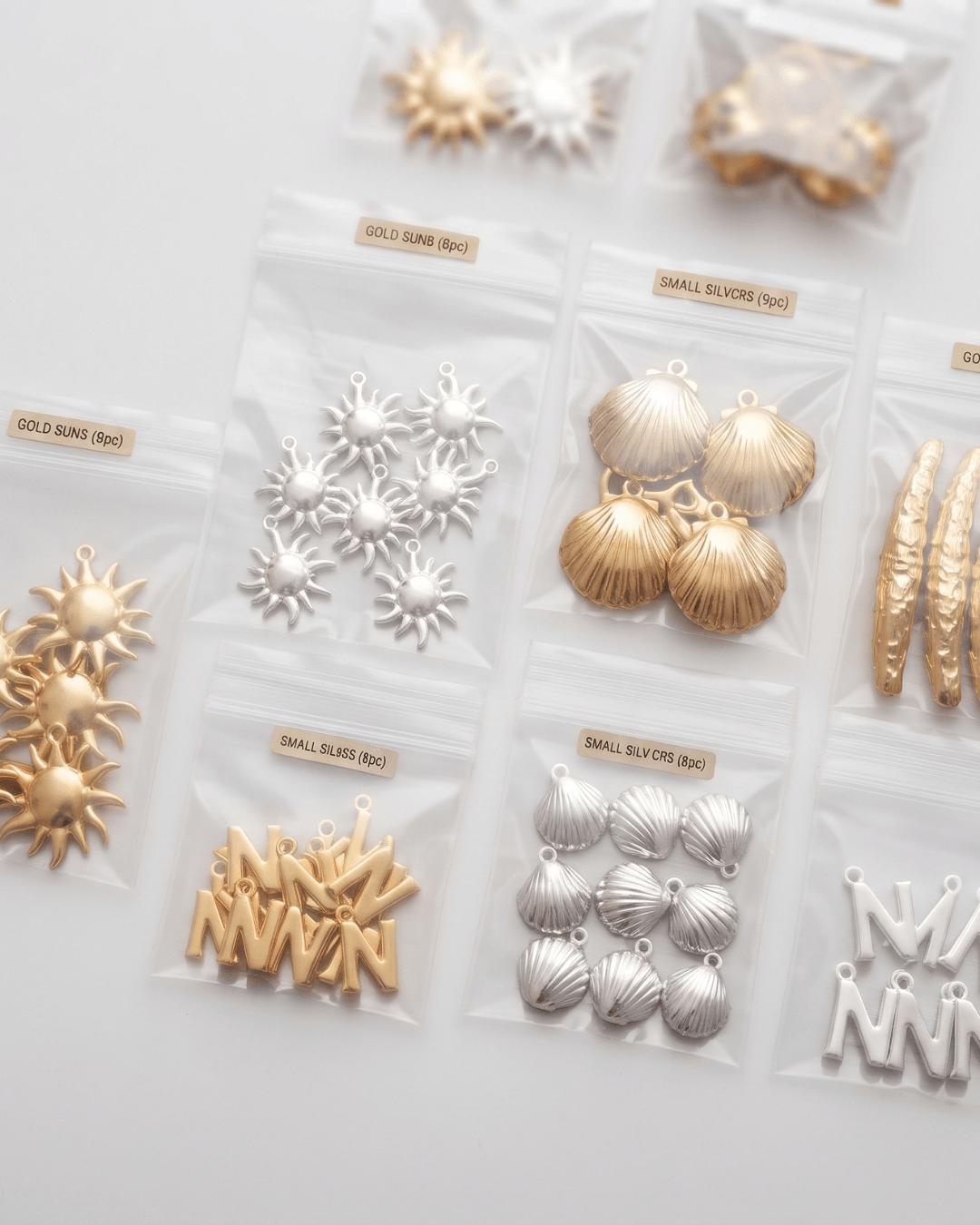
Finished Hardware
Design Checklist
A precise brief.
A clearer result.
Provide these files and measurements so the engineering team can review your design and prepare an accurate proposal.
01 / 3D FILE
CAD Model in .STL
Submit accurate volumetric data for 3D wax printing. Models must have closed manifold geometry, verified wall thickness of at least 1.2 mm for casting, and accounted shrinkage factors.
02 / 2D DRAWING
Technical Drawing in .PDF
Include vector line drawings showing critical dimensions, thread pitch, hole placements, cross-sectional views, radius tolerances and target surface roughness.
03 / ASSEMBLY
Holes & Mounting
Detail internal drill diameters, countersinks, tapped threads, pin clearance holes and mounting stud tolerances required for final assembly.
04 / DIMENSIONS
Measurements & Faces
Specify full length, width, height, curvature radii and wall thickness. Identify visible aesthetic faces and hidden mounting surfaces to guide polishing priorities.
Surface Finishing
The look.
The feel.
The protection.
Surface texture and clear coating are separate choices. Specify both to address appearance, oxidation, skin oils, friction and environmental exposure.
Matte Finish
Micro-bead blasting or satin brushing creates a contemporary, non-reflective surface with a fingerprint-resistant appearance.
Shining Finish
Multi-stage automated and hand-buffed mirror polishing produces an ultra-smooth surface with brilliant light reflection.
Regular Clear Coating
A standard transparent protective lacquer for light decorative use and short-term atmospheric protection.
Anti-Tarnish Seal
An anti-oxidation resin barrier formulated for copper alloys to help prevent darkening, patina and colour shifts.
Ceramic Coating
A polymer-ceramic matrix bonded directly to the metal substrate. The specification guide lists 9H hardness, scratch resistance and hydrophobic performance; confirm suitability for your intended application during engineering review.
Ordering & Production
Plan your project
with confidence
Minimum Order
200 pieces per design variant. Volume tiers are available for orders exceeding 1,000 pieces. Custom hardware has its own MOQ, separate from garment production.
Lead Times
Wax sampling: 7–10 business days after design approval. Mass production: typically 20–25 business days, depending on order volume and chosen coating.
Quality Control
Every finished batch receives 100% visual inspection of visible surfaces, dimensional sampling with digital calipers and coating adhesion testing before shipment.
Tooling & Reorders
Molds and tooling dies are securely archived for up to 24 months, allowing reorders using the stored tooling without additional setup or tooling fees.

Design for the Garment
Small components.
Considered connections.
For swimwear and apparel, evaluate the hardware together with the fabric, strap and construction it will connect to. Include these requirements in your brief for engineering review.
01 / FIT
Strap & Opening Size
State the finished strap width and thickness, the usable internal opening and any movement or adjustment needed. Include the fabric layers that will pass through the component.
02 / COMFORT
Edges & Contact Areas
Identify every surface that touches skin or fabric. Mark the required corner radii, polished faces, hidden mounting points and orientation on your drawing.
03 / USE
Exposure & Function
Describe expected contact with water, salt, chlorine, sunscreen and repeated movement. Ask which material, coating and additional checks are appropriate for your design.
Specify performance before development. Corrosion resistance, a nickel-free base alloy or a protective coating alone does not establish suitability for every swimwear use. Agree any skin-contact, exposure or functional testing requirements for the complete finished component in your quotation.
Sample Approval
Check the details
before you approve
Use the wax prototype to resolve shape and dimensions early. Keep a clear written record of the approved design and the specifications that will carry into metal production.
Review on the Wax Prototype
• Overall length, width, height and proportions against your drawing.
• Hole locations, mounting orientation and assembly clearances.
• Hand feel, ergonomics and the relationship to your garment or accessory.
• All requested changes, collected into one clear revision list.
Confirm for Metal Production
• Final drawing version, material and quantity per design variant.
• Visible faces, texture, colour target and protective coating.
• Dimensional tolerances and the agreed inspection criteria.
• Any requested finished-metal or garment-assembly checks before release.
A wax prototype is a shape and dimension reference. Final metal weight, coating appearance, fastening strength and in-use performance must be assessed on the finished metal component or assembled product as appropriate. Confirm any additional samples or tests and their costs with the team.
Your Quotation Brief
Help us understand
exactly what you need
A complete submission connects your creative direction with the technical details that affect development, tooling and production.
Design & Specifications
• Component name, intended application and reference images.
• .STL model, native CAD files and dimensioned .PDF drawings.
• Finished dimensions, tolerances, hole and mounting details.
• Preferred base metal, surface texture, colour and coating.
• Visible faces and any logo or decorative detail shown in your artwork.
Quantity & Project Planning
• Quantity for each design variant, starting at 200 pieces.
• Target approval date and required delivery date.
• Delivery destination and intended use or exposure conditions.
• Any requested extra samples, functional checks or test documentation.
• Questions about unit pricing, tooling fees, revisions and shipping.
Review the scope before placing your order. Confirm what the quoted unit price includes, tooling and sampling charges, costs for further changes, the approval milestones and the delivery arrangements. Sampling and production are separate stages; allow time for review, revisions and shipping when planning your launch.
FAQs
Before you begin
Can I order fewer than 200 pieces?
The standard custom hardware production batch is fixed at 200 pieces per design variant. Share your quantities and design variants with our team for quotation.
What does the wax sample allow me to check?
Use the physical wax prototype to evaluate dimensions, ergonomics, hand feel and structural proportions before final metal mold creation. Metal finishing and coating are specified separately.
How many revisions are included?
Initial wax sampling includes one complimentary modification round. Finalize the brief before sampling; further changes may require additional engineering charges and time.
Which files should I prepare?
Prepare your 3D .STL model and 2D technical .PDF drawings, with dimensions, mounting details, hole tolerances, material, finish and coating requirements. Include native CAD files with the initial technical package.
Can I reorder the same design later?
Yes. Molds and tooling dies are stored for up to 24 months to support repeat orders without additional setup or tooling fees when the stored tooling is used.
Is a wax sample the same as a finished metal sample?
No. Wax sampling is used to review dimensions, ergonomics and proportions. Confirm any finished-metal samples needed to assess weight, coating, fastening function or garment assembly separately.
How do I specify hardware for swimwear?
Share the strap dimensions, fabric layers, skin-contact areas and expected use, including exposure to salt water, chlorine and sunscreen. Agree suitable material, finishing and testing requirements during engineering review.
What is included in the quotation?
The proposal details unit costs, tooling fees and timelines. Ask the team to clearly itemize sampling, further revisions, additional tests, packaging and delivery arrangements where applicable.
Let’s Get Started
Create your
signature hardware
Send your design files, dimensions, preferred metal, finish, coating and quantity per variant. Our team will review your brief and outline the next steps.
Prefer to chat? Contact us on WhatsApp